
First-Time Boater's Complete Safety Checklist: Essential Guide

Getting Started as a New Captain: Your Path to Safe Boating
Taking the helm of your first boat is an exciting milestone, but with great freedom comes great responsibility. Whether you're considering one of Sea Ray's exceptional models like the SDX 230 Sterndrive or planning your first day on the water, this comprehensive safety checklist will ensure you're prepared for every adventure ahead.
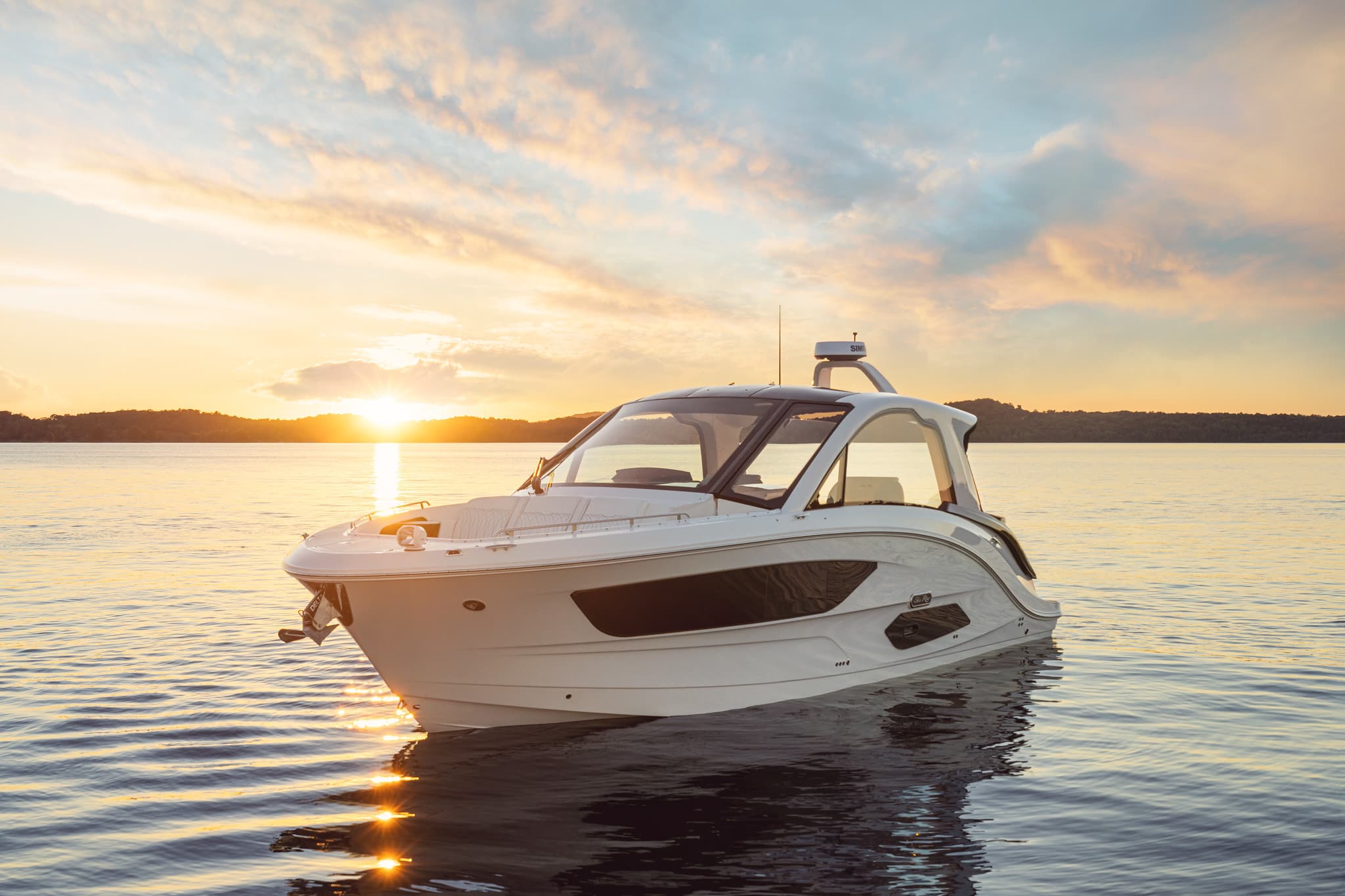
Sea Ray has 65+ years of boat-crafting expertise, and Sea Ray crafts luxury sport boats, sport cruisers, and yachts that combine premium materials with exceptional performance. Sea Ray boats are built for life on the water, but every vessel requires a knowledgeable captain.
Required Safety Equipment: Coast Guard Mandates
Before you cast off, ensure your boat meets all US Coast Guard requirements. These aren't suggestions—they're legally required safety equipment that could save your life.
Personal Flotation Devices (PFDs)
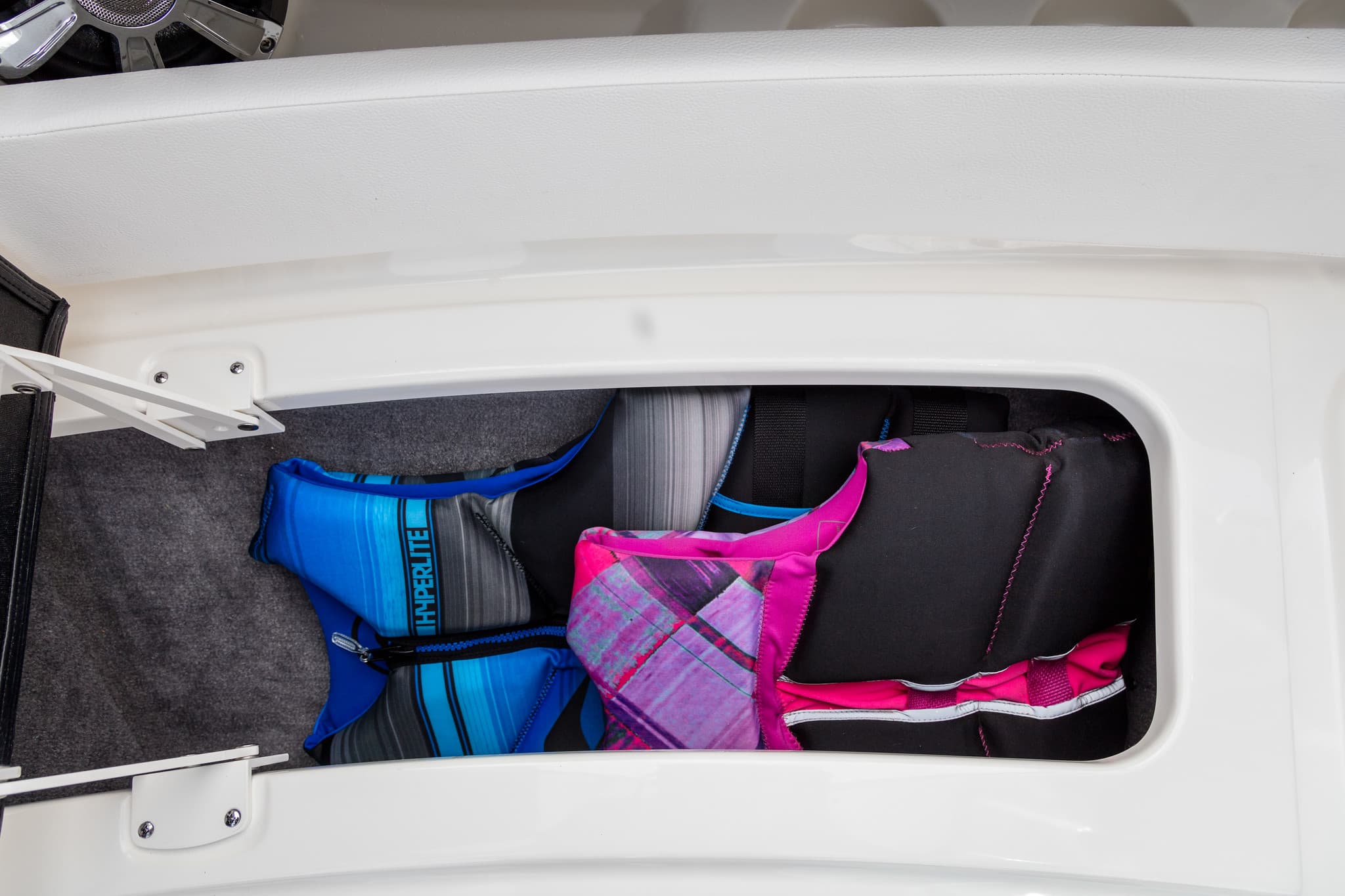
The Non-Negotiable: Personal flotation devices must be carried for every person aboard. The US Coast Guard requires Type I, II, or III life jackets for each person on recreational boats. This means if you're taking out the SDX 230 Sterndrive with its 13-person seating capacity, you need 13 properly fitting PFDs.
First-Time Captain Tip: Don't just count them—inspect them. Check for tears, broken zippers, and ensure they're the right size for each passenger.
Fire Safety Equipment
A fire extinguisher is required on boats with enclosed fuel tanks or enclosed living spaces. Most Sea Ray models, including popular choices like the SLX 260, will require at least one Coast Guard-approved fire extinguisher.
What to Check:
Extinguisher is properly mounted and accessible
Pressure gauge shows full charge
Pin and tamper seal are intact
Inspection tag is current
Sound Producing Devices
Sound producing devices like horns or whistles are required safety equipment on all recreational boats.
Visual Distress Signals
Visual distress signals are required for boats operating in coastal waters. Even if you're staying inland, these signals can be lifesavers in emergency situations.
Pre-Departure Safety Checklist
Every seasoned captain follows a systematic pre-departure routine. Make this checklist your ritual before every trip.
Weather and Conditions Assessment
Weather Check: Weather conditions should be checked before every boating trip. Don't rely on yesterday's forecast—conditions on water can change.
What to Monitor:
Current conditions and hourly forecasts
Wind speed and direction
Wave height and period
Thunderstorm probability
Visibility conditions
Engine and Systems Check
Your engine pre-departure check should include oil, coolant, and fuel levels. Whether you're operating a sterndrive model like the SDX 270 or an outboard-powered SLX 280 Outboard, this routine prevents breakdowns and ensures optimal performance.
Engine Checklist:
Check engine oil level and condition
Verify coolant levels (if applicable)
Confirm adequate fuel supply
Test engine start and idle
Check for unusual sounds or vibrations
Verify steering response
Test throttle and shift controls
Navigation and Communication Equipment
VHF Radio: A VHF radio is essential for emergency communication on the water. Program in local Coast Guard and marina frequencies before departure.
Navigation Lights: Navigation lights must be displayed from sunset to sunrise. Test all lights during your pre-departure check, even for daytime trips.
Emergency Equipment and Supplies
Beyond Coast Guard requirements, smart captains carry additional safety equipment that can make the difference between a minor inconvenience and a serious emergency.
First Aid Supplies
Your first aid kit should include bandages, antiseptic, and emergency medications. Customize your kit based on the length of your trips and any specific medical needs of regular passengers.
Essential First Aid Items:
Adhesive bandages (various sizes)
Gauze pads and medical tape
Antiseptic wipes and ointment
Pain relievers and anti-inflammatory medication
Seasickness remedies
Emergency contact information
Any personal prescription medications
Anchoring Equipment
Your anchor and adequate rode should be sized appropriately for your boat. For a SDX 230 Sterndrive weighing 6,676 pounds when water ready, you'll need substantial ground tackle.
Anchoring Essentials:
Primary anchor sized for your boat
Adequate rode (chain and rope combination)
Backup anchor for emergencies
Anchor retrieval system or windlass
Float Plan: Your Safety Net
A float plan should be filed with a responsible person before departure. This simple step dramatically improves rescue chances if something goes wrong.
Float Plan Essentials:
Departure and return times
Planned route and destinations
Boat description and registration
Number of people aboard
Emergency contact information
When to call for help if overdue
Essential Boat Handling Skills for New Captains
Most boating accidents occur due to operator inexperience or inattention. Investing time in proper training pays dividends in safety and confidence.
Required Training
All new boat operators must complete a boating safety course in most states. This isn't just a legal requirement—it's your foundation for safe boating.
Practical Skills Development
New boaters should practice docking and maneuvering in calm conditions before venturing into challenging situations. Start with a boat like the SPX 190 or SPX 210 to build confidence.
Skills to Master:
Docking in various wind conditions
Anchoring procedures
Emergency stops and turns
Person overboard recovery
Radio communication protocols
Right-of-Way Rules
Understanding right-of-way rules prevents collisions on the water. These rules are as important on water as traffic laws are on land.
Choosing the Right Boat for Safety
Proper boat handling skills reduce risk of accidents on the water, but it starts with choosing the right vessel. Sea Ray's diverse lineup offers options for every skill level and intended use.
For new boaters, models like the SDX 250 or SLX 260 provide excellent stability and manageable size while still offering the luxury and performance Sea Ray is known for.
Technology That Enhances Safety
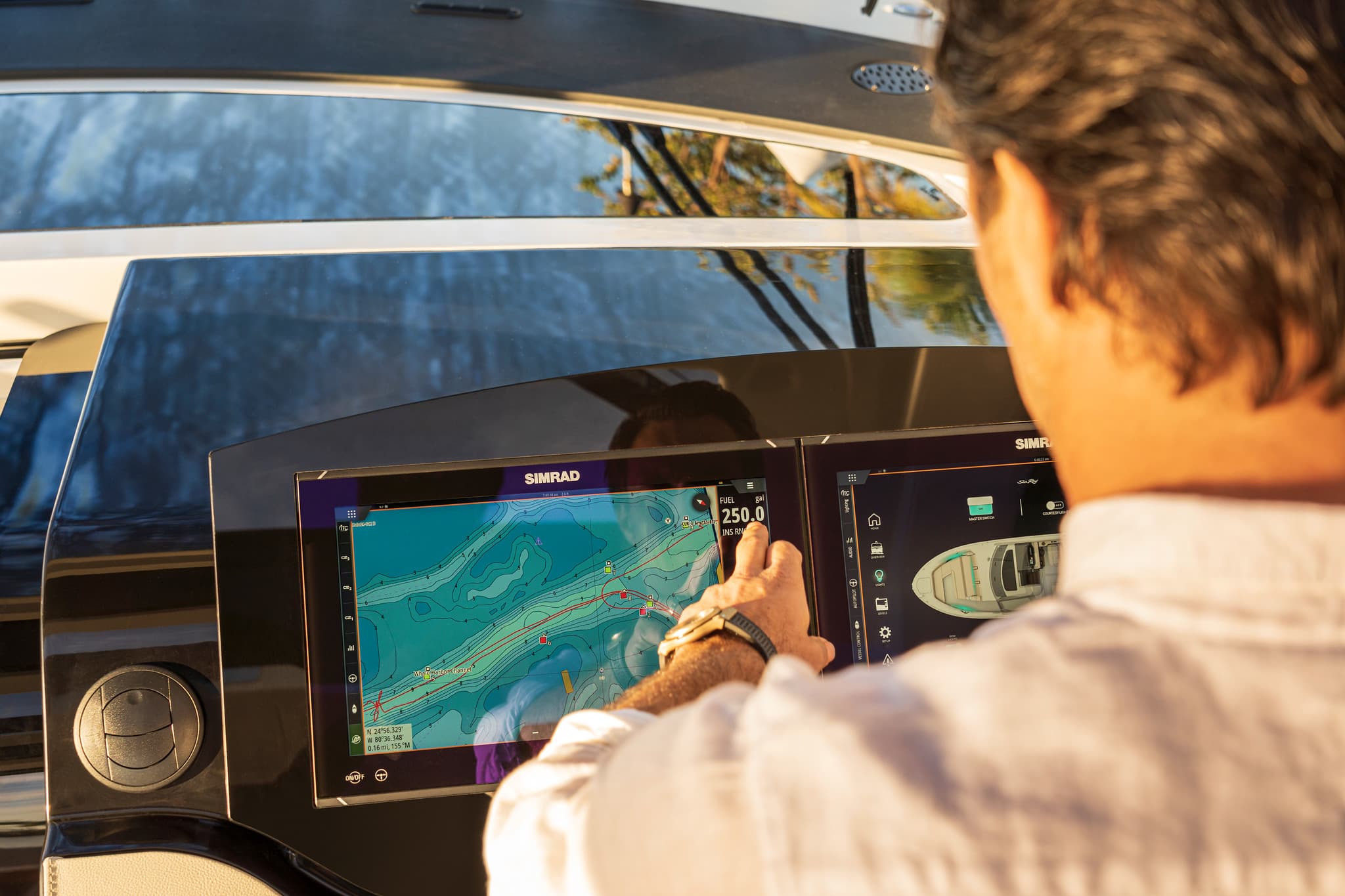
Modern Sea Ray boats incorporate advanced safety features that give new captains additional confidence. From the SPX Series to the sophisticated Sundancer 370, today's boats include technology designed to prevent accidents before they happen.
Before Your First Season
As you prepare for your boating adventures, remember that Sea Ray crafts luxury sport boats, sport cruisers, and yachts that combine premium materials with exceptional performance. Their meticulous craftsmanship and effortless performance philosophy extends to safety features designed to protect you and your crew.
Your Next Step to Safe Boating
Safety starts before you buy your boat. View our inventory to explore Sea Ray's complete lineup of models designed with both performance and safety in mind. Our experienced team can help you choose the right boat for your skill level and intended use.
Whether you're drawn to the versatility of the SDX Series, the sport performance of the SLX line, or the luxury of a Sundancer, every Sea Ray boat represents 65+ years of engineering excellence focused on creating memorable, safe experiences on the water.
Contact our team to discuss which Sea Ray model best fits your boating goals and safety requirements. Remember: the best safety equipment is the knowledge and preparation you bring aboard every trip.


